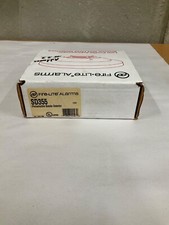
Fire-Lite Fire Alarm Parts: Detectors, Modules & Control Panels
Overview
Fire-Lite fire alarm systems are renowned for their reliability and versatility in various applications, from small businesses to large commercial buildings. Understanding the individual parts, such as detectors, modules, and control panels, is crucial for technicians who work with these systems. In this guide, we explore different Fire-Lite parts, including the critical Honeywell Fire-Lite C304 Control module, ensuring you have the knowledge you need to effectively manage and maintain these components.
Detectors
Fire-Lite offers an array of detectors that are compatible with various protocols such as CLIP (Classic Loop Interface Protocol) and IDNET. These detectors are typically certified under UL 268, ensuring they meet stringent safety standards. Whether it's an addressable or conventional model, each detector plays a vital role in early fire detection, utilizing either photoelectric or ionization technology.
When installing detectors, ensure they are strategically placed and not obstructed. Regular maintenance checks are crucial to prevent false alarms and system failures.
Modules
Modules like the Fire-Lite C304 Control module are integral to expanding the functionality of a fire alarm system. These modules facilitate communication between various devices and the control panel, utilizing the SLC (Signaling Line Circuit) protocol. The Fire-Lite C304, in particular, allows for the integration of third-party devices, enhancing system flexibility and functionality.
Always verify module compatibility with your existing system. Misconfigured modules can lead to communication errors and potential system failures.
Control Panels
The heart of any fire alarm system is the control panel. Fire-Lite control panels, such as those compatible with Class A and Class B wiring configurations, provide the central point of operations. They are capable of monitoring inputs, controlling outputs, and providing the necessary interface for the fire alarm system. Advanced models support both conventional and addressable systems, offering versatility for various installation requirements.
Specifications
Understanding the technical specifications of Fire-Lite parts is essential for proper installation and operation. Below is a table highlighting key specifications of common parts:
| Part | Protocol | Certification | Wiring Class |
|---|---|---|---|
| Fire-Lite Detector | CLIP, IDNET | UL 268 | Class A, B |
| Fire-Lite C304 Module | SLC | FM | Class A, B |
| Control Panel | CLIP, IDNET | UL 864 | Class A, B |
Installation Tips
Proper installation of Fire-Lite parts is crucial for ensuring system reliability and compliance with safety standards. Here are some technical tips to consider:
- Always adhere to the manufacturer's guidelines and local fire codes during installation.
- Use a multimeter to verify the integrity of wiring connections, especially in Class A configurations, which require return loop integrity.
- Test each component individually before integrating it into the complete system to identify potential issues early.
FAQs
Check the protocol and certification standards of each component. Components should share the same protocol, such as CLIP or IDNET, and adhere to relevant certifications like UL 268.
The Fire-Lite C304 module expands system capabilities by allowing integration with third-party devices, making it a versatile addition to any fire alarm system setup.
Yes, Fire-Lite systems are designed to integrate with existing infrastructure, provided compatibility with protocols and wiring configurations is ensured.
Regular testing, periodic cleaning of detectors, and verification of module connections are key maintenance practices to ensure optimal system performance.
Find These Parts on FirePartsHub
Browse our verified inventory of Fire-Lite components sourced from trusted eBay sellers: