Addressable vs Conventional Fire Alarm Detectors: Technical Comparison
Overview
In the world of fire safety, understanding the differences between addressable vs conventional fire alarm detectors is crucial for optimal protection and compliance. This guide delves into the technical distinctions, operational protocols, and installation criteria that separate these two types of fire alarm systems. Brands like Notifier provide advanced solutions in both categories, ensuring safety and reliability.Basic Concepts of Fire Alarm Systems
Fire alarm systems are essential for early detection and warning of fire incidents. The two primary types of fire alarm detectors are addressable and conventional. Each system has its unique design, communication protocols, and installation requirements, which affect their application in various settings.Addressable Fire Alarm Systems
Addressable fire alarm systems use individual devices with unique addresses to communicate their status to the control panel. This setup allows for precise identification and location of alarms, facilitating rapid response. Key protocols such as CLIP (Classic Loop Interface Protocol) and IDNET (Intelligent Device Network) are commonly used.When installing addressable systems, ensure all devices are programmed with unique addresses to avoid communication conflicts.
Conventional Fire Alarm Systems
Conventional fire alarm systems divide the protected area into zones, with each zone reporting alarms through a single circuit. While less sophisticated than addressable systems, they are cost-effective and straightforward, making them suitable for smaller installations. In a conventional setup, detectors are typically wired in a Class B configuration, where a single open circuit can disrupt communication. Conventional systems do not provide the exact location of the alarm, only the zone, which can delay response times in larger areas.Technical Comparison
The choice between addressable vs conventional fire alarm detectors depends on several factors, including building size, complexity, and budget. Addressable systems offer greater flexibility and scalability, while conventional systems are simpler and more economical.| Feature | Addressable Systems | Conventional Systems |
|---|---|---|
| Communication Protocol | CLIP, IDNET | Hardwired Zone Circuits |
| Wiring Class | Class A | Class B |
| Location Precision | Exact Device Location | Zone Location |
| Cost | Higher | Lower |
| Scalability | High | Limited |
| Certification | UL 268, FM | UL 268, FM |
For new installations in large facilities, consider addressable systems for their superior troubleshooting capabilities and ease of future expansion.
Specifications
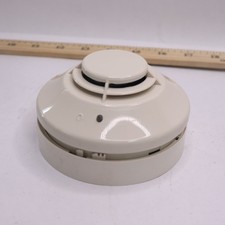
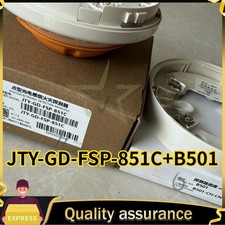
Choosing the right fire alarm detector involves understanding specific technical specifications. For example, the 1PCS NEW PRO Honeywell NOTIFIER FSP-851 Photoelectric Smoke Detector FSP851 is a popular choice in addressable systems, known for its high sensitivity and reliability. This model adheres to rigorous standards such as UL 268 and FM certification, ensuring performance and safety.Conclusion
In summary, the decision between addressable vs conventional fire alarm detectors should be guided by the specific needs of the facility, budget constraints, and desired level of system sophistication. Addressable systems, like those featuring the Notifier Intelligent Smoke Detector 4.5" Ã 4.25" Ã 2" FSP-851, provide advanced features and flexibility, while conventional systems remain a viable option for smaller, less complex installations.The main advantage is the ability to identify the precise location of an alarm, allowing for quicker response times and easier maintenance.
Addressable systems typically use Class A wiring for redundancy, while conventional systems use Class B wiring, which is simpler but less robust.
Yes, but it requires significant changes to the wiring and control panel to accommodate the addressable technology.
A reliable fire alarm system should have UL 268 and FM certifications to ensure compliance with safety standards.
Find These Parts on FirePartsHub
Browse our verified inventory of Notifier components sourced from trusted eBay sellers: