Duct Smoke Detector Installation: Code Requirements & Part Selection
Overview
When it comes to ensuring safety in commercial and industrial buildings, duct smoke detector installation is a critical component. Duct detectors are designed to detect smoke in HVAC air ducts, preventing smoke from spreading throughout the building via the ventilation system. In this guide, we will cover the essential aspects of duct smoke detector installation, including code requirements, part selection, and best practices for installation and maintenance.Code Requirements
Duct detector requirements are governed by various codes and standards, most notably NFPA 90A, which specifies the installation of smoke detectors in air duct systems to prevent the spread of smoke. According to NFPA 90A, duct smoke detectors are required in air-moving systems with a capacity greater than 2,000 cubic feet per minute (cfm). Furthermore, these detectors must be listed and approved by recognized testing agencies, such as UL (Underwriters Laboratories) and FM (Factory Mutual).Ensure that duct smoke detectors comply with UL 268 standards for smoke detectors used in air duct applications. This guarantees reliability and effectiveness in smoke detection.
Part Selection
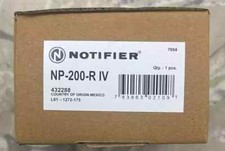
Selecting the right components for duct smoke detector installation is crucial for system effectiveness. When choosing a duct detector, consider the type of smoke detection technology that best suits your application. Options include photoelectric and ionization detectors, with photoelectric models like the 🔥Notifier NP-200R-IV Photoelectric Smoke Duct Detector Honeywell "WHITE" being preferred for their sensitivity to larger smoke particles typical of smoldering fires. For applications requiring heat detection, the Notifier FST-851R Intelligent Heat Detector FST851R offers advanced thermal detection capabilities. It is essential to ensure that the chosen detectors are compatible with the building's fire alarm control panel and support communication protocols such as CLIP (Classic Loop Interface Protocol), IDNET, or SLC (Signaling Line Circuit).| Model | Type | Protocol | Certification |
|---|---|---|---|
| NP-200R-IV | Photoelectric | CLIP | UL 268 |
| FST-851R | Heat | IDNET | FM |
Installation Procedure
Proper installation of duct smoke detectors is vital for their performance. Begin by selecting a suitable location on the HVAC duct, typically downstream of air filters and ahead of any branch connections. This ensures that the detector samples representative air from the entire system. 1. **Mounting the Detector:** Securely mount the detector housing onto the duct, ensuring it is airtight to prevent false readings. 2. **Wiring:** Follow the manufacturer's guidelines for wiring, ensuring compliance with Class A or Class B circuit requirements. Use appropriate gauge wires and secure connections to avoid signal loss. 3. **Calibration and Testing:** After installation, calibrate the detector according to the manufacturer’s instructions and perform functional testing to ensure proper operation.During installation, always leave extra wire length for future maintenance and reconfiguration. This practice saves time and effort during service calls.
Maintenance and Testing
Regular maintenance and testing are crucial to ensure the reliability of duct smoke detectors. According to NFPA 72, smoke detectors should be tested at least annually. This includes both functional tests using canned smoke and sensitivity testing to verify that the detector remains within its specified range. 1. **Visual Inspection:** Regularly inspect the detector and its surroundings for dust accumulation or any physical damage. 2. **Functional Testing:** Use test switches or canned smoke to simulate a smoke condition and verify system response. 3. **Sensitivity Testing:** Ensure the detector's sensitivity is within the manufacturer's specified limits, adjusting if necessary.The main types are photoelectric and ionization detectors. Photoelectric detectors are more effective for detecting larger smoke particles from smoldering fires.
Duct smoke detectors should be tested at least annually, as per NFPA 72 guidelines.
UL 268 certification ensures that a smoke detector meets specific safety and performance standards for air duct applications.
Yes, duct smoke detectors can be wired using either Class A or Class B circuits, depending on the system design and redundancy requirements.
Find These Parts on FirePartsHub
Browse our verified inventory of Notifier components sourced from trusted eBay sellers: