Edwards EST Fire Alarm Parts: Detectors, Modules & Control Panels
Overview
When it comes to fire safety, Edwards EST fire alarm parts stand out for their reliability and advanced technology. Designed to comply with stringent standards like UL 268 and FM, these components are essential for robust fire detection systems. From detectors and modules to control panels, each component plays a vital role in ensuring safety and efficiency. In this guide, we focus on the technical aspects of Edwards EST parts, including detectors, modules, and control panels.
Detectors
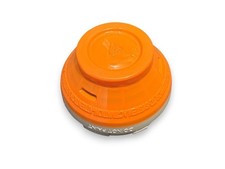
Edwards detectors are engineered to provide rapid and accurate fire detection. They utilize advanced sensing technologies to minimize false alarms while ensuring prompt detection. These detectors often communicate over protocols like CLIP and IDNET, ensuring seamless integration with control panels.
Always ensure that your detectors are compatible with the SLC protocol used in your existing system for optimal performance.
The Edwards 101BS-G1 detector, for instance, offers state-of-the-art sensitivity settings, making it ideal for various environments. Additionally, these detectors are designed to work efficiently in both Class A and Class B wiring configurations, providing flexibility in system design.
Modules
Edwards modules are the backbone of any comprehensive fire alarm system, providing the necessary interfaces between detectors and control panels. These modules facilitate seamless communication and control, ensuring that every component of the system works in harmony.
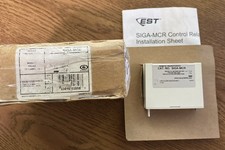
Common modules include relay modules, input/output modules, and isolation modules. Each type plays a specific role, such as activating auxiliary devices or isolating short-circuits to maintain system integrity. The Edwards SIGA series modules are renowned for their reliability and performance.
Regularly check module connections and ensure they are free from corrosion or wear to maintain system reliability.
Control Panels
Control panels are the heart of any fire alarm system, collecting data from detectors and managing the response to alarms. Edwards control panels are known for their advanced features and user-friendly interfaces.
These panels support a variety of communication protocols, including CLIP and IDNET, and are designed to integrate seamlessly with other Edwards EST parts. Features like network capability, advanced diagnostics, and flexible programming options make Edwards control panels highly adaptable to different building requirements.
For installations requiring additional notification devices, the Edwards Genesis strobe can be integrated to enhance alert systems, providing visual alerts alongside auditory signals.
Installation Tips
Installing Edwards EST fire alarm parts requires careful planning and execution. It is crucial to follow manufacturer guidelines and local regulations to ensure system efficacy and compliance. Consider the following tips during installation:
- Verify compatibility of all components, especially when integrating new parts with existing systems.
- Use Class A wiring for enhanced redundancy and fault tolerance.
- Ensure all devices are mounted securely and accessible for maintenance.
Specifications
| Component | Model | Protocol | Wiring Class | Certification |
|---|---|---|---|---|
| Detector | 101BS-G1 | IDNET | Class A/B | UL 268 |
| Module | SIGA-CR | CLIP | Class A | FM |
| Control Panel | EST3 | CLIP, IDNET | Class A/B | UL 864 |
FAQs
Class A wiring provides redundancy, allowing the system to continue operating even if one pathway is disrupted.
It's possible if the protocols are compatible, but it is recommended to use matching brands for optimal integration.
Modules should be tested at least annually to ensure they function correctly and comply with safety standards.
Key certifications include UL 268 for detectors and UL 864 for control panels, ensuring compliance with safety standards.
Find These Parts on FirePartsHub
Browse our verified inventory of Edwards components sourced from trusted eBay sellers: