Addressable Fire Alarm Input/Output Modules: Types, Wiring & Applications
Overview
Addressable fire alarm modules, including the addressable fire alarm input/output modules, play a critical role in modern fire alarm systems. These modules provide a flexible and scalable solution for integrating various fire alarm components into a cohesive network. Utilizing protocols such as CLIP, IDNET, and SLC, these modules can significantly enhance the functionality and reliability of fire alarm systems.Types of Addressable Fire Alarm Modules
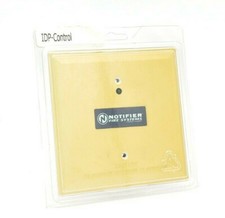
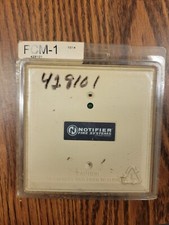
Addressable fire alarm modules are typically categorized into two main types: input modules and output modules. Input modules, such as the fire alarm monitor module, are designed to receive signals from devices like smoke detectors and pull stations. Output modules, often referred to as fire alarm control modules, are responsible for activating devices like strobes, bells, and door releases in response to an alarm condition. Addressable modules such as the HONEYWELL NOTIFIER FCM-1 FIRE ALARM CONTROL MODULE IDP-CONTROL FCM1 are designed to interface with multiple devices, providing a seamless operation within the fire alarm system. These modules are typically compatible with various wiring configurations and communication protocols, making them versatile for different installation requirements.When selecting addressable fire alarm modules, ensure compatibility with your system's communication protocol. Mismatched protocols can lead to operational issues.
Wiring Configurations
Addressable fire alarm modules can be wired in different configurations, primarily Class A or Class B. Class A wiring provides redundant pathways for the signals, ensuring that a single open circuit does not compromise the system's integrity. Class B wiring, on the other hand, is simpler and less expensive but lacks the redundancy of Class A. When implementing addressable fire alarm modules like the NOTIFIER FCM-1 Intelligent Control Module, it is crucial to follow the manufacturer's guidelines for wiring configurations. This ensures the system operates correctly and meets the necessary safety standards, such as UL 268 and FM certifications.Applications and Compatibility
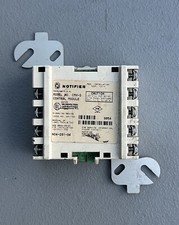
Addressable fire alarm input/output modules are used in a wide range of applications, from small commercial buildings to large industrial complexes. Their ability to interface with various devices and integrate them into a single network makes them invaluable in complex installations. Modules like the Honeywell Notifier NC-100 Addressable Control Module are designed to work with specific fire alarm panels, ensuring seamless integration and operation. Always verify compatibility with the existing fire alarm system to avoid integration issues.Regularly update the firmware of your addressable modules to ensure compatibility with the latest fire alarm panels and to take advantage of new features.
Specifications
Understanding the technical specifications of addressable fire alarm modules is crucial for proper installation and operation. Below is a typical specification table for a standard addressable fire alarm control module:| Parameter | Specification |
|---|---|
| Operating Voltage | 24 VDC |
| Quiescent Current | 2.5 mA |
| Alarm Current | 40 mA |
| Operating Temperature | -10°C to 49°C |
| Communication Protocol | SLC |
| Wiring Class | Class A/B |
| Certifications | UL 268, FM |
FAQs
An addressable fire alarm module is a device that integrates various components of a fire alarm system into a network, allowing for detailed monitoring and control.
Check the module's specifications and ensure it supports the same communication protocol as your fire panel, such as CLIP or SLC.
Yes, addressable modules are versatile and can be used in a variety of building types, from small offices to large industrial facilities.
Class A wiring provides redundant pathways for signals, enhancing reliability, while Class B is simpler and less expensive but lacks redundancy.
Find These Parts on FirePartsHub
Browse our verified inventory of Notifier components sourced from trusted eBay sellers: