Heat Detector Types: Rate-of-Rise vs Fixed Temperature vs Combination
Overview
Understanding the different types of heat detectors is crucial for ensuring the optimal fire protection strategy in any building. Heat detectors are essential components of fire alarm systems, particularly in environments where smoke detectors may not be suitable. The primary heat detector types include rate-of-rise, fixed temperature, and combination detectors. Each has unique characteristics and applications, which we will explore in this guide.Heat Detector Types
The choice between rate-of-rise, fixed temperature, and combination heat detectors depends on the specific needs of the environment. Each type functions differently and is designed to react to changes in temperature in distinct ways.Rate-of-Rise Heat Detectors
Rate-of-rise heat detectors are designed to respond to rapid increases in temperature, typically around 12°F to 15°F per minute. These detectors are ideal for environments where a sudden rise in temperature indicates a fire.| Model | Sensing Element | Response Time | Certification |
|---|---|---|---|
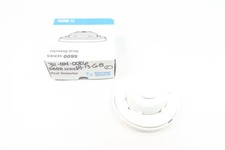
| System Sensor Heat Detector 5151 | Thermistor | Typically 3-5 seconds | UL 268 |
Rate-of-rise detectors are less likely to trigger false alarms compared to smoke detectors in dusty or smoky environments.
Fixed Temperature Heat Detectors
Fixed temperature heat detectors activate when the ambient temperature reaches a pre-determined threshold, usually around 135°F or 194°F. These are suitable for areas where temperature spikes are not common.Ensure that fixed temperature detectors are not placed near heat sources like radiators to avoid nuisance alarms.
Combination Heat Detectors
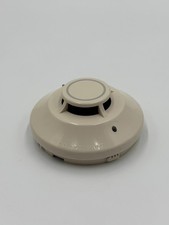
Combination heat detectors integrate both rate-of-rise and fixed temperature sensing technologies. This dual approach provides comprehensive coverage, ensuring rapid response to sudden temperature changes and activation at critical temperature thresholds. The SYSTEM SENSOR 5251EM HEAT DETECTOR offers a robust solution for complex environments, combining the benefits of both detection methods.Installation Considerations
When installing heat detectors, several factors must be considered to ensure optimal performance: - **Wiring Classes**: Choose between Class A or Class B wiring depending on the redundancy and fault tolerance required. - **Protocols**: System compatibility with protocols like CLIP, IDNET, or SLC is crucial for seamless integration. - **Certifications**: Ensure that all devices meet relevant certifications such as UL 268 and FM for compliance and reliability. Proper installation and regular maintenance are essential to ensure that your heat detectors function correctly. Always refer to the manufacturer’s guidelines and local codes when installing or replacing fire alarm heat detectors.Rate-of-rise detectors respond to rapid temperature increases, while fixed temperature detectors activate at a specific temperature.
Heat detectors can replace smoke detectors in environments prone to false alarms, such as kitchens or dusty areas.
Heat detectors should generally be replaced every 10-15 years, but always check the manufacturer's recommendations.
Combination detectors offer more comprehensive coverage, but the choice depends on specific environmental needs.
Find These Parts on FirePartsHub
Browse our verified inventory of System Sensor components sourced from trusted eBay sellers: