Fire Alarm Battery Replacement: Sealed Lead-Acid Specs & Compatible Models
Overview
Fire alarm systems are critical for safety, and the integrity of these systems heavily relies on the condition of their batteries. Regular fire alarm battery replacement is essential to ensure that your fire alarm system remains operational during power outages. In this guide, we will explore the specifications of fire alarm sealed lead-acid batteries, compatible models, and the step-by-step process for replacing these vital components.Importance of Battery Replacement
Fire alarm control panels (FACPs) utilize backup batteries to maintain function when the main power supply is interrupted. The fire alarm backup battery, often a sealed lead-acid type, must be in good condition to provide the necessary power. Failure to replace these batteries on a regular schedule can lead to system failures and possibly non-compliance with safety standards such as UL 268 and FM certifications.Always check the battery's manufacture date. Sealed lead-acid (SLA) batteries typically have a lifespan of 3-5 years. Replace them before they reach the end of their cycle to avoid unexpected failures.
Battery Specifications
Understanding the specifications of your fire alarm battery is crucial for selecting the correct replacement. Below are typical specs for a Notifier compatible sealed lead-acid battery.| Specification | Details |
|---|---|
| Voltage | 12V |
| Capacity | 18Ah |
| Terminal Type | F2 |
| Certifications | UL 268, FM |
| Operating Temperature | -20°C to 50°C |
Replacement Process
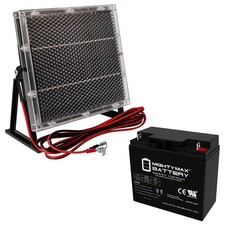
Replacing a fire alarm battery involves a few critical steps to ensure safety and functionality: 1. **Safety First:** Before beginning, ensure the fire alarm system is in a safe state and notify any monitoring services of the maintenance. 2. **Power Down:** Disconnect the main power supply to the FACP. 3. **Access the Battery Compartment:** Open the FACP to access the battery compartment. 4. **Remove Old Battery:** Carefully disconnect and remove the old battery. 5. **Install New Battery:** Place the new battery, such as the Mighty Max 12V 18Ah Replaces Notifier FireWarden-50 Control Panel + 12V Panel, ensuring correct polarity connections. 6. **Re-power the System:** Reconnect the main power supply. 7. **Test the System:** Perform a full system test to ensure proper operation.Label the installation date on the new battery. This practice helps in tracking the replacement schedule and ensures compliance with maintenance protocols.
Compatible Models
Several Notifier models are compatible with the Mighty Max 12V 18Ah battery. Notable models include the Notifier NFS-320 Fire Control Panel and the Notifier 100-2 Control Panel. For example, the Mighty Max 12V 18Ah Replaces Notifier NFS-320 Fire Control Panel + 12V Panel is a direct fit, ensuring seamless integration and reliability.Troubleshooting
After replacement, if the system does not operate correctly, consider the following troubleshooting tips: - **Check Connections:** Ensure all battery connections are secure and correctly polarized. - **Inspect Wiring:** Verify that all wiring, particularly Class A/B circuits, is intact and compliant with the system’s requirements. - **Review Protocols:** Ensure communication protocols like CLIP or IDNET are functioning correctly.FAQs
Fire alarm batteries should be replaced every 3-5 years or as specified by the manufacturer.
Most fire alarm systems use sealed lead-acid batteries due to their reliability and performance.
As long as the specifications match (e.g., voltage, capacity), different brands can be used. However, ensure they are UL certified.
This could be due to improper installation, loose connections, or the need for a system reset.
Find These Parts on FirePartsHub
Browse our verified inventory of Notifier components sourced from trusted eBay sellers: