Class A vs Class B Fire Alarm Wiring: SLC Loop Configuration Explained
Overview
When designing a fire alarm system, understanding the differences between Class A and Class B wiring is essential for ensuring compliance and reliability. The National Fire Protection Association (NFPA) 72 standard provides guidance on these configurations, which are crucial in establishing the Survivable Loop Circuit (SLC) for addressable fire alarm systems. This article will explore "class a vs class b fire alarm wiring," focusing on their implications in SLC loop configurations.Class A Wiring
Class A wiring is characterized by its redundant path for circuit integrity. In a Class A setup, the circuit forms a loop that returns to the control panel. This loop allows for continued operation even if a single break occurs, as the signal can travel in the opposite direction to maintain communication with devices.Always verify the integrity of your loop by performing end-of-line resistance checks to ensure that the loop is complete and there are no breaks.
Class B Wiring
Class B wiring, in contrast, does not offer a return path. It employs a single linear circuit with an end-of-line resistor that supervises the circuit integrity. In the event of a break, devices beyond the fault are rendered inoperative until repairs are made.Ensure that end-of-line resistors are properly installed and regularly inspected to maintain system supervision and integrity.
SLC Loop Configuration
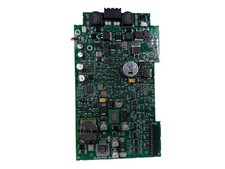
The SLC loop configuration is a key component in addressable fire alarm systems, providing communication between the control panel and devices. The choice between Class A and Class B wiring can significantly impact the performance and reliability of these loops. Utilizing modules such as the NOTIFIER LCM-320 Fire Alarm Control Panel Loop Control Module and the NOTIFIER LEM-320 Fire Alarm Control Panel Loop Expander Module allows for flexible expansion and configuration of SLC loops. These modules support both Class A and Class B wiring, enabling tailored solutions to meet specific installation requirements. Addressable systems utilize protocols such as CLIP (Classic Loop Interface Protocol) and IDNET to ensure reliable device communication. These protocols provide the necessary framework for device addressability and control, essential for effective system monitoring and management.Specifications
| Parameter | Class A | Class B |
|---|---|---|
| Redundancy | Yes | No |
| Fault Tolerance | High | Low |
| Cost | Higher | Lower |
| Applications | Large, critical | Small, non-critical |
| Compliance | UL 268, FM | UL 268 |
FAQs
The main advantage of Class A wiring is its ability to maintain communication with all devices even if a single break occurs in the circuit, thanks to its redundant loop design.
Class B wiring lacks redundancy, so a single fault can disrupt the operation of downstream devices, whereas Class A wiring can continue to function by rerouting signals.
Yes, Class B wiring can often be upgraded to Class A by installing additional wiring to create a return path, along with compatible modules and devices.
Fire alarm systems should comply with certifications such as UL 268 and FM to ensure they meet safety and performance standards.
Find These Parts on FirePartsHub
Browse our verified inventory of Notifier components sourced from trusted eBay sellers: