How Long Time Is Needed To Put Input Output Fire Module In Parallel: Complete Guide
Overview
When integrating fire alarm systems, a crucial question often arises: how long time is needed to put input output fire module in parallel? This process is integral to ensuring that all components communicate effectively and respond promptly during an emergency. The time required for this task can vary based on several factors, which we will explore in detail.
Understanding Input Output Modules
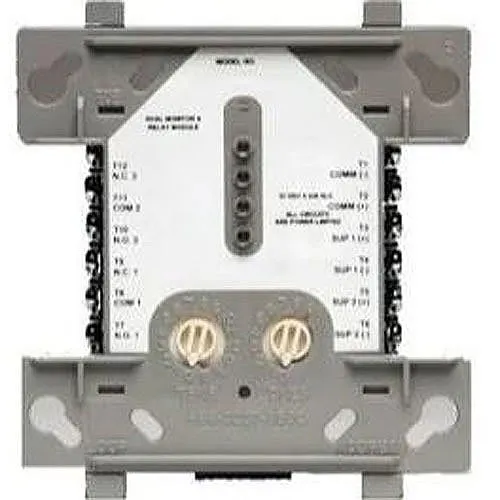
Input output fire modules are essential in modern Fire Alarm systems, providing the interface between alarm devices and the control panel. These modules typically operate on protocols such as CLIP, IDNET, and SLC, which dictate how they communicate within the system. Correct installation ensures modules can relay signals from detectors to the control panel and vice versa, activating necessary actions like alarms or suppression systems.
How Long Time is Needed to Put Input Output Fire Module in Parallel
The time needed to put an input output fire module in parallel largely depends on the complexity of the system and the technician's experience. Typically, a skilled technician can complete this task in about 1 to 2 hours per module, assuming no unforeseen complications. The process involves configuring the module addresses, ensuring correct wiring, and testing functionality.
Always label each wire during installation to avoid confusion and ensure swift troubleshooting if issues arise later.
Wiring Requirements
Proper wiring is crucial when installing input output fire modules in parallel. Typically, systems use either Class A or Class B wiring configurations. Class A wiring offers redundancy, allowing signals to reroute if a wire is compromised, while Class B is simpler but lacks this fail-safe. Ensuring adherence to these wiring standards is vital for system reliability.
| Specification | Class A | Class B |
|---|---|---|
| Redundancy | Yes | No |
| Wire Count | 4 | 2 |
| UL Certification | UL 268 | UL 268 |
Use a multimeter to verify continuity and resistance in your wiring before finalizing connections to prevent future issues.
Certifications and Protocols
Modules must comply with industry standards such as UL 268 and FM certifications, ensuring they meet safety and performance criteria. Protocols like CLIP and SLC are pivotal in defining communication rules, with IDNET providing specific addressing schemes that facilitate device identification and control.
Troubleshooting
If the module does not function correctly after installation, verify the wiring configuration and check for any loose connections. Ensure that the module's address is correctly set and that it matches the control panel's configuration settings. Regular maintenance and testing are recommended to maintain system integrity.
CLIP (Classic Loop Interface Protocol) and SLC (Signaling Line Circuit) are both protocols for communication in fire alarm systems. CLIP is older and slower, while SLC offers faster communication and is more modern.
Check the module's documentation or the manufacturer's specifications for UL 268 certification. It is often marked on the device itself.
Yes, but it requires additional wiring and possibly hardware changes to provide the necessary redundancy of Class A configurations.
Check all connections and ensure the module's address is correctly set. Also, verify the panel's configuration settings are correct for the installed module.
Find These Parts on FirePartsHub
Browse our verified inventory of Fire Alarm components sourced from trusted eBay sellers: