Duct Smoke Detector Installation: Complete Guide
Overview
Duct smoke detector installation is a critical component of any comprehensive fire alarm system. These specialized detectors are designed to sense smoke in HVAC systems, providing early warning of fire conditions before they spread through the building's ventilation. This duct smoke detector installation guide will walk you through the essential steps and best practices to ensure a successful setup.Importance of Duct Smoke Detectors
The primary function of a duct smoke detector is to detect smoke particles moving through the ductwork and trigger an alarm to prevent smoke from circulating throughout the building. This is crucial for maintaining air quality and safety standards. Duct smoke detectors must comply with standards such as UL 268 and FM to ensure reliability and performance.Duct Smoke Detector Installation Steps
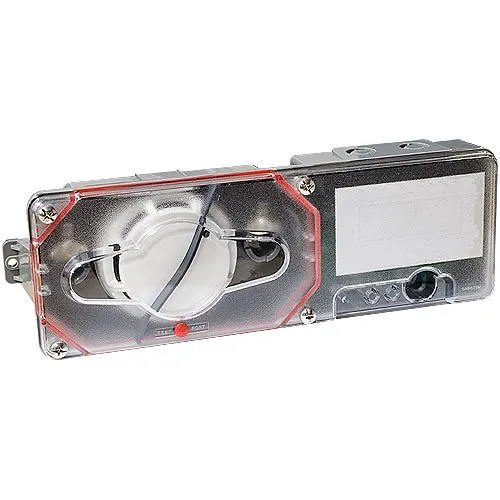
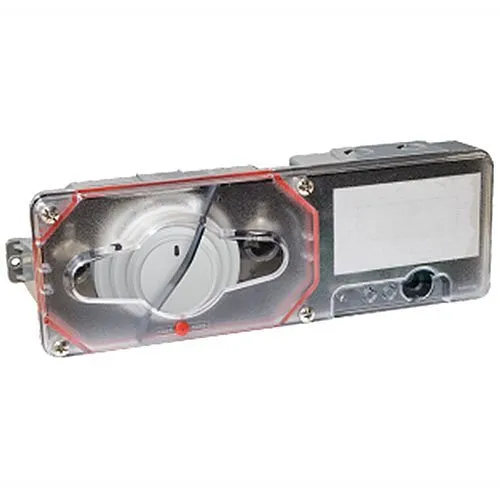
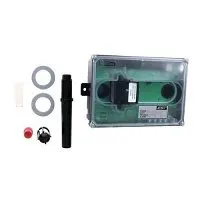
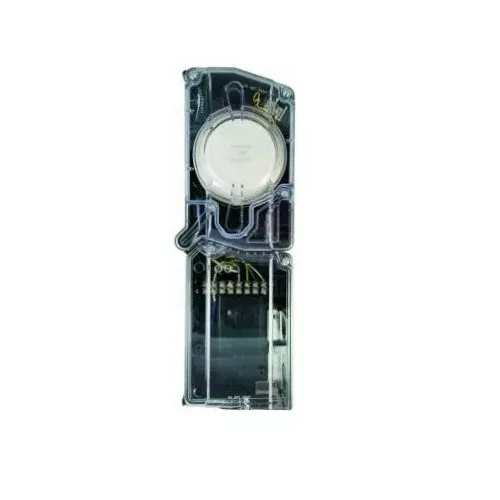
Proper installation of duct smoke detectors is vital for their effectiveness. Follow these steps to ensure your installation meets both safety and operational standards: 1. **Select the Right Detector:** Choose a detector that suits your system's protocol, such as CLIP, IDNET, or SLC. The Potter Smoke Detector PAD200-DUCTR is a reliable choice for many applications. 2. **Positioning the Detector:** Install detectors at a location where they can sample air effectively from the duct. Typically, this means placing them downstream of air filters and before any branch lines. 3. **Wiring:** Use Class A or Class B wiring configuration based on your system requirements. Ensure proper termination and avoid any potential for wire damage. 4. **Mounting the Detector:** Securely mount the detector using appropriate hardware. The Edwards Smoke Detector Duct Installation Kit SD-ST can simplify this process with its comprehensive mounting solutions. 5. **Testing and Calibration:** After installation, perform a thorough test to ensure the detector is functioning correctly. Adjust sensitivity settings as needed to comply with local fire codes.Always test the system using smoke or aerosol test methods to verify the detector's response. Avoid using magnets or other non-smoke methods as they do not simulate real-world conditions.
Technical Specifications
Understanding the specifications of your duct smoke detector can help ensure compatibility and performance. Below is a table of typical specifications for reference:| Specification | Details |
|---|---|
| Operating Voltage | 24V DC |
| Protocol | CLIP, IDNET |
| Wiring Class | Class A/B |
| Sensitivity Range | 0.5 - 4.0%/ft |
| Certification | UL 268, FM |
Troubleshooting Common Issues
Even with a proper duct smoke detector installation, issues can arise. Here are some common problems and solutions: - **False Alarms:** Often caused by dust or debris. Regular maintenance and cleaning can prevent this. - **No Alarm Activation:** Check wiring connections and ensure the detector is receiving power. Verify that the sampling tube is clear. - **Intermittent Alarms:** This might indicate a loose connection. Inspect all wiring and reseat connections if necessary.Integrate regular maintenance checks into your building's safety routine to catch potential issues early and ensure optimal detector performance.
FAQs
Duct smoke detectors should be tested at least annually, or more frequently depending on local codes and building usage.
Yes, duct smoke detectors are designed for various HVAC systems, but the installation method may vary based on the system type and layout.
Class A wiring allows for continued operation in the event of a single open circuit, while Class B wiring does not.
Some detectors support multiple protocols, but it's essential to verify compatibility with your specific fire alarm system before installation.
Find These Parts on FirePartsHub
Browse our verified inventory of Fire Alarm components sourced from trusted eBay sellers: